
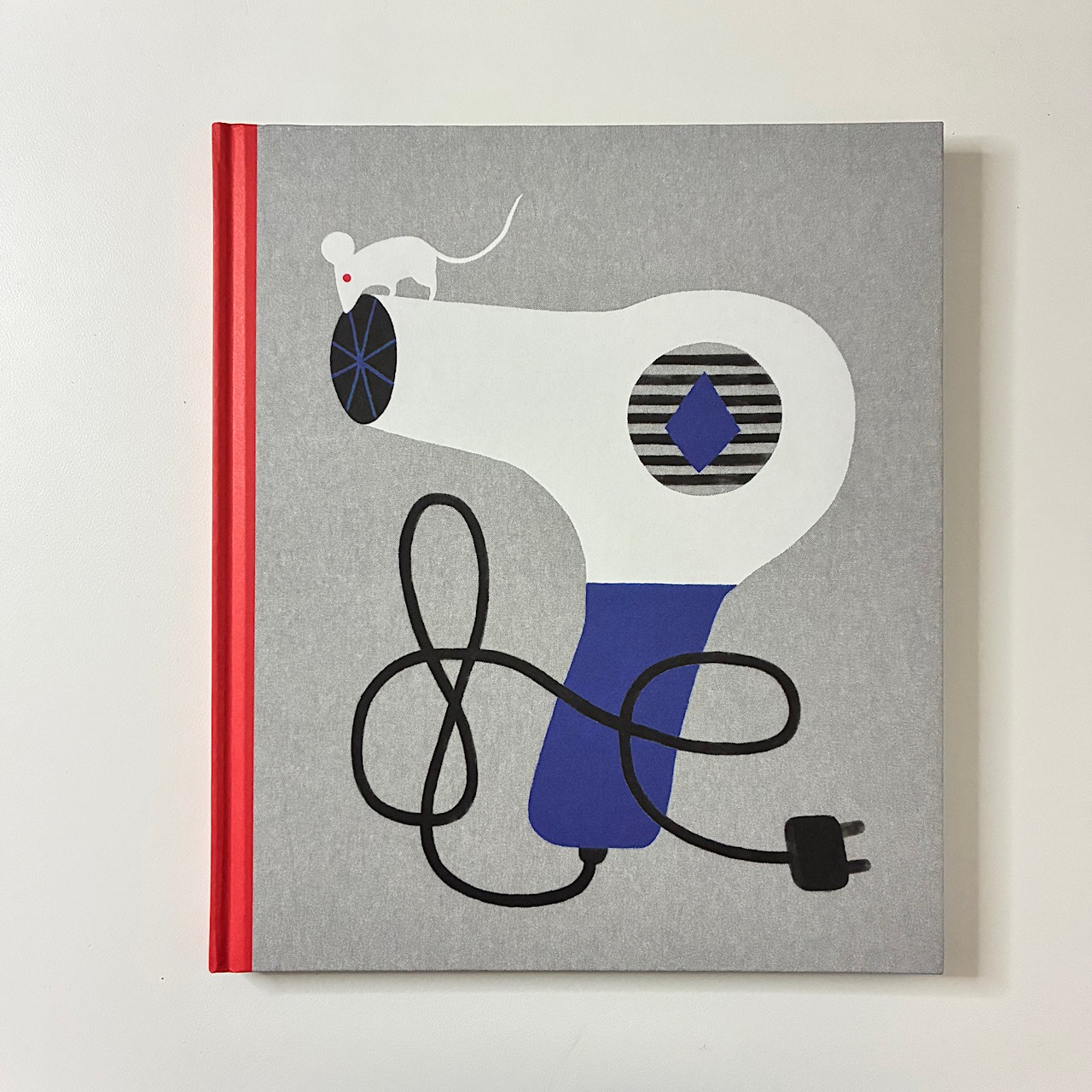




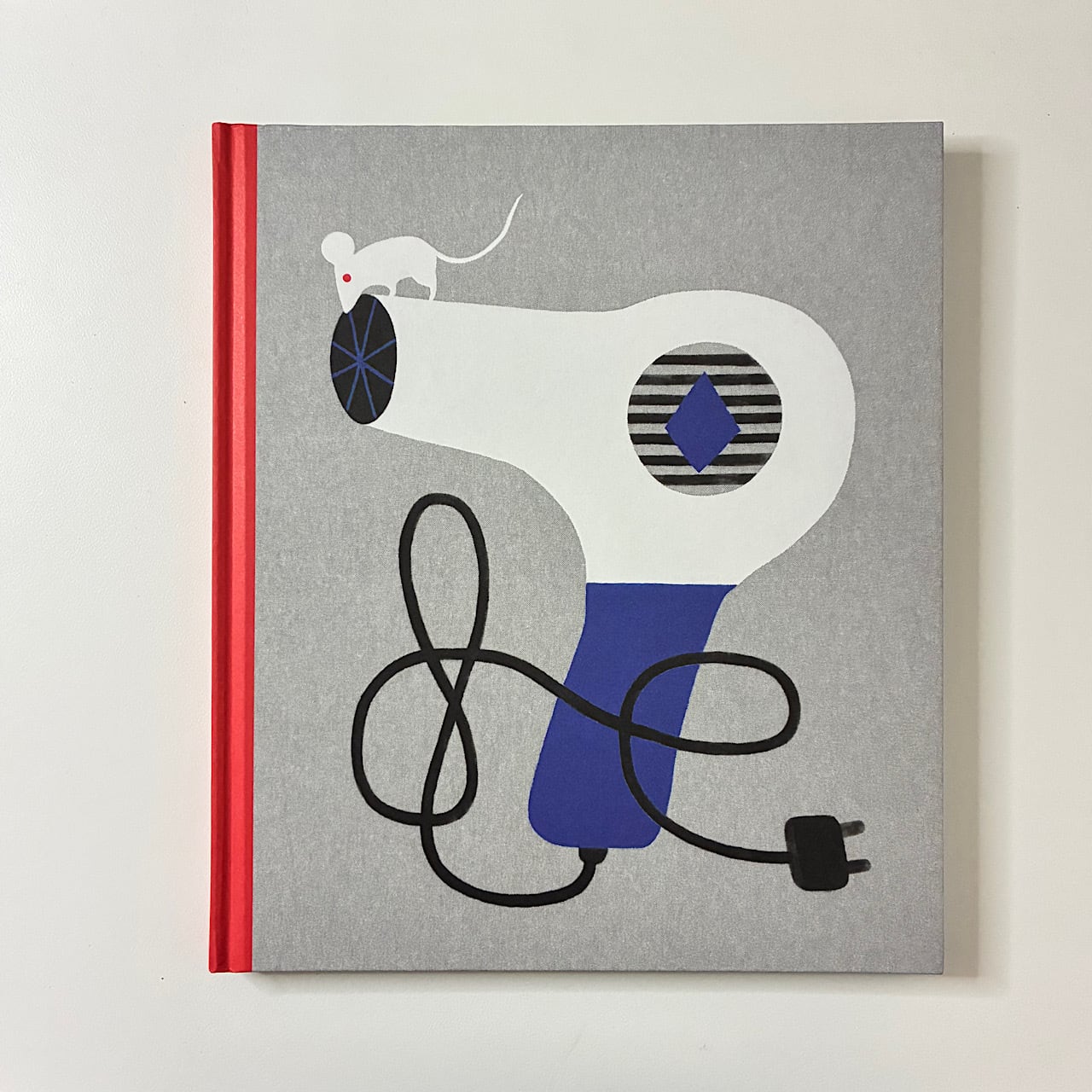
The True Story of a Mouse Who Never Asked for It
¥4,270
SOLD OUT
送料は¥1,000です。詳細を見る
¥9,000以上のご注文で国内送料が無料になります。
働き者のネズミは、一生懸命に働いて家を持つことができました。
彼女は一匹であるために、多くの求婚者に声をかけられます。
ネズミは、1匹の猫を除いてすべて断り、ちいさな猫と婚約をすることになります。
そして子猫はまた成長していき、とあることがきっかけで…….。
後半になるほど物語の言葉のリズムが歌うようにリズミカルになっていきます。
暗喩的に表現された様々なモチーフがキーとなって、物語が進んでいき、テンションを少しづつあげながら、最後の展開につながっていく手法はとてもうまいです。
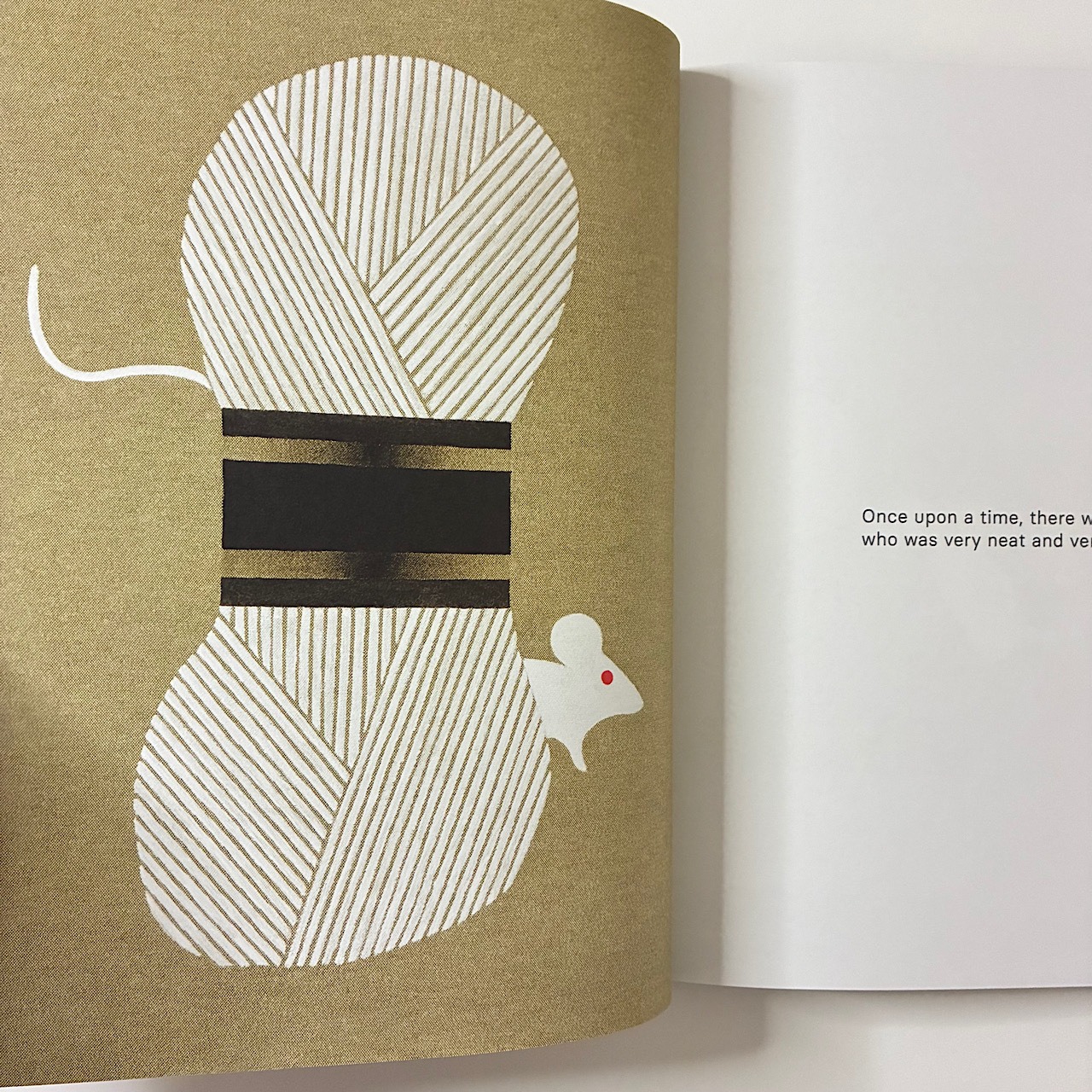
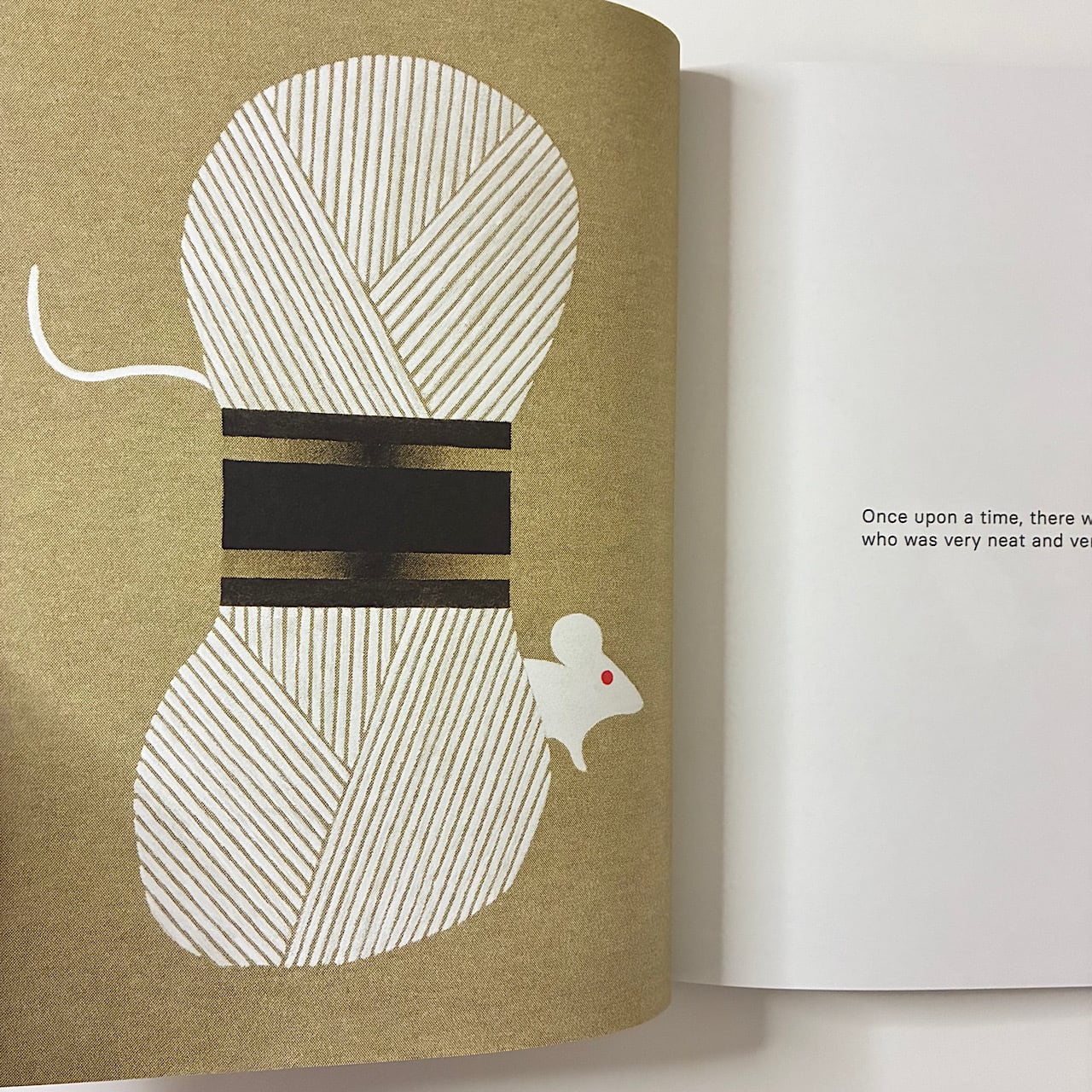
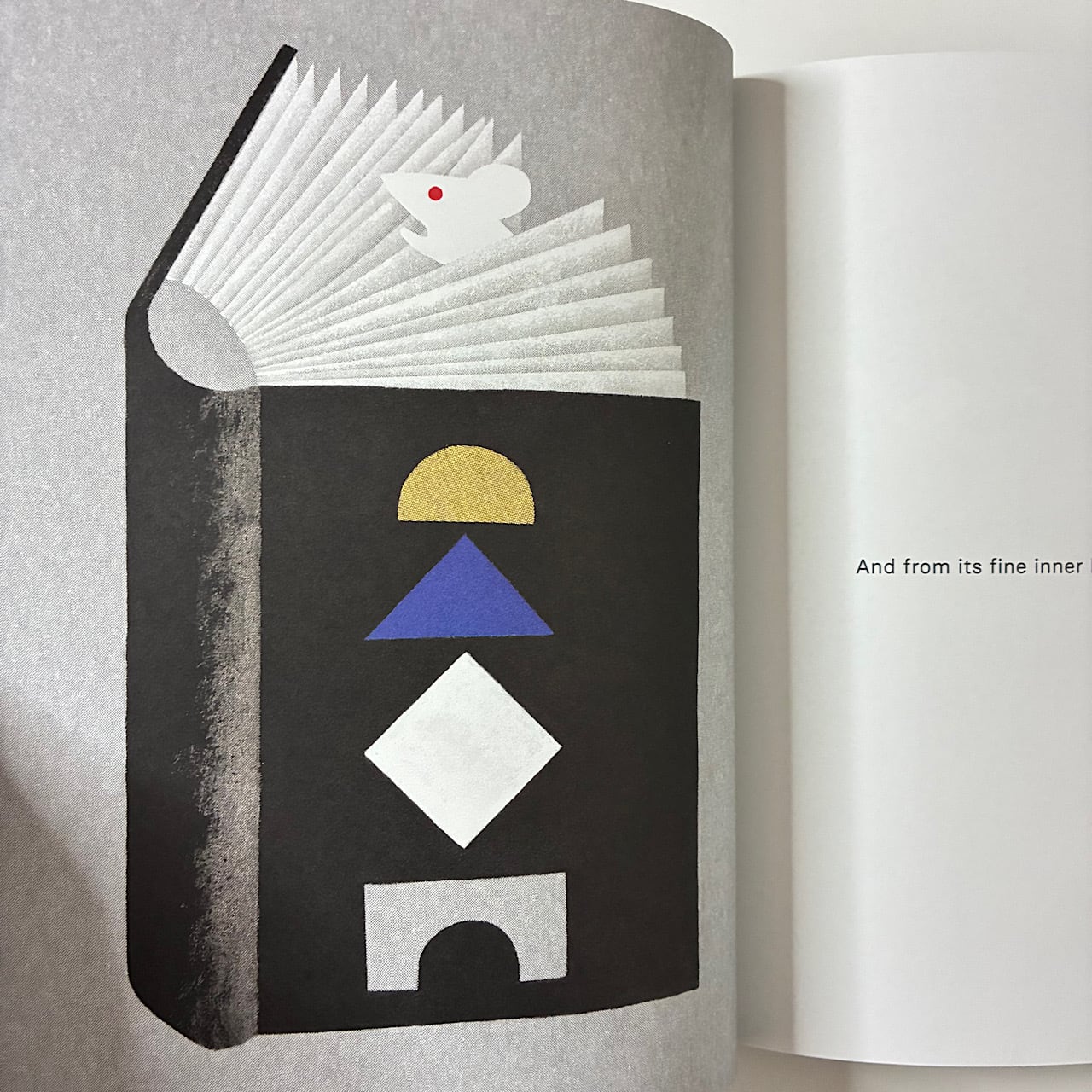
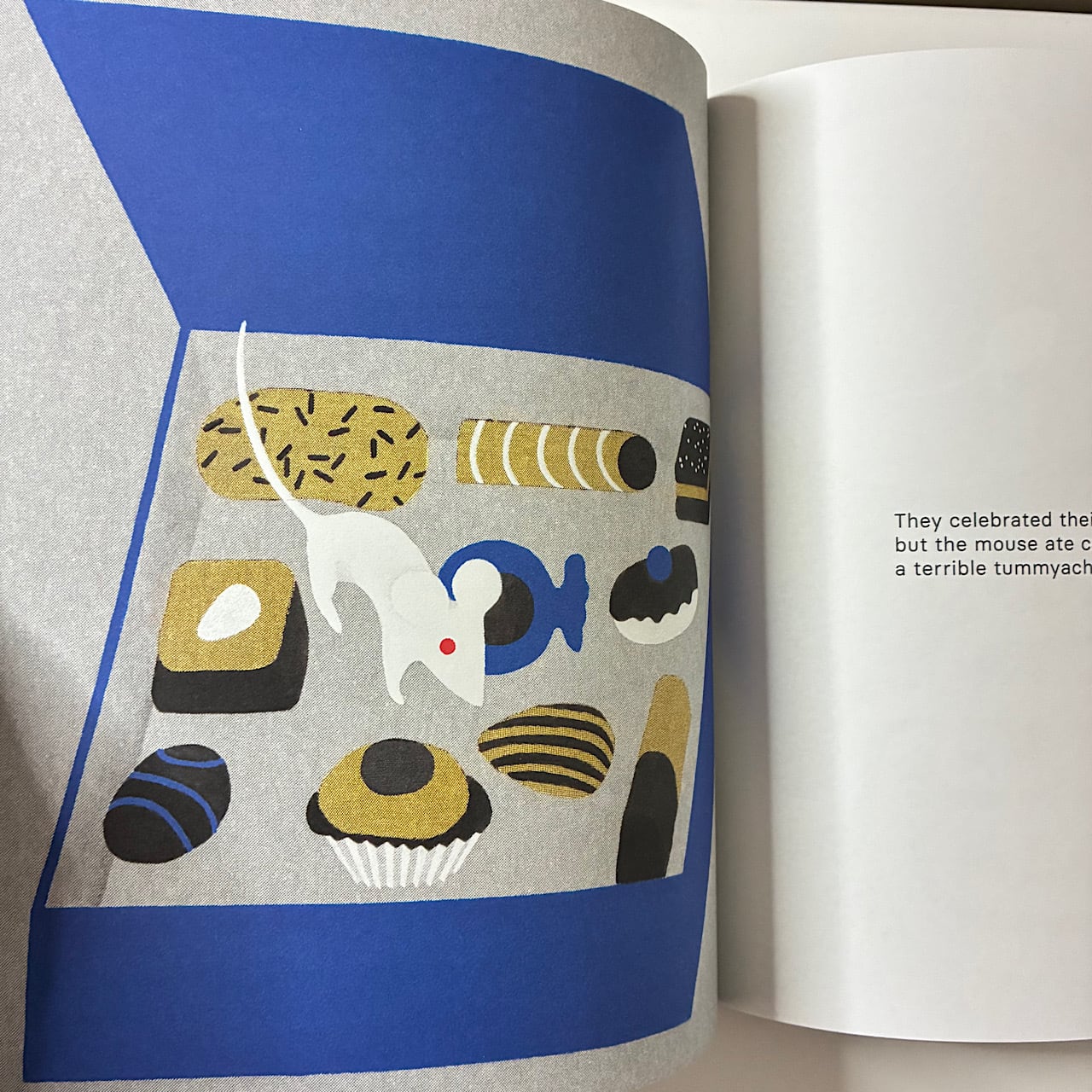
アナ・クリスティーナ・エレロスとイラストレーターのビオレタ・ロピスが、スペインの民話をデザイン性あふれるイラストで表現した絵本です。
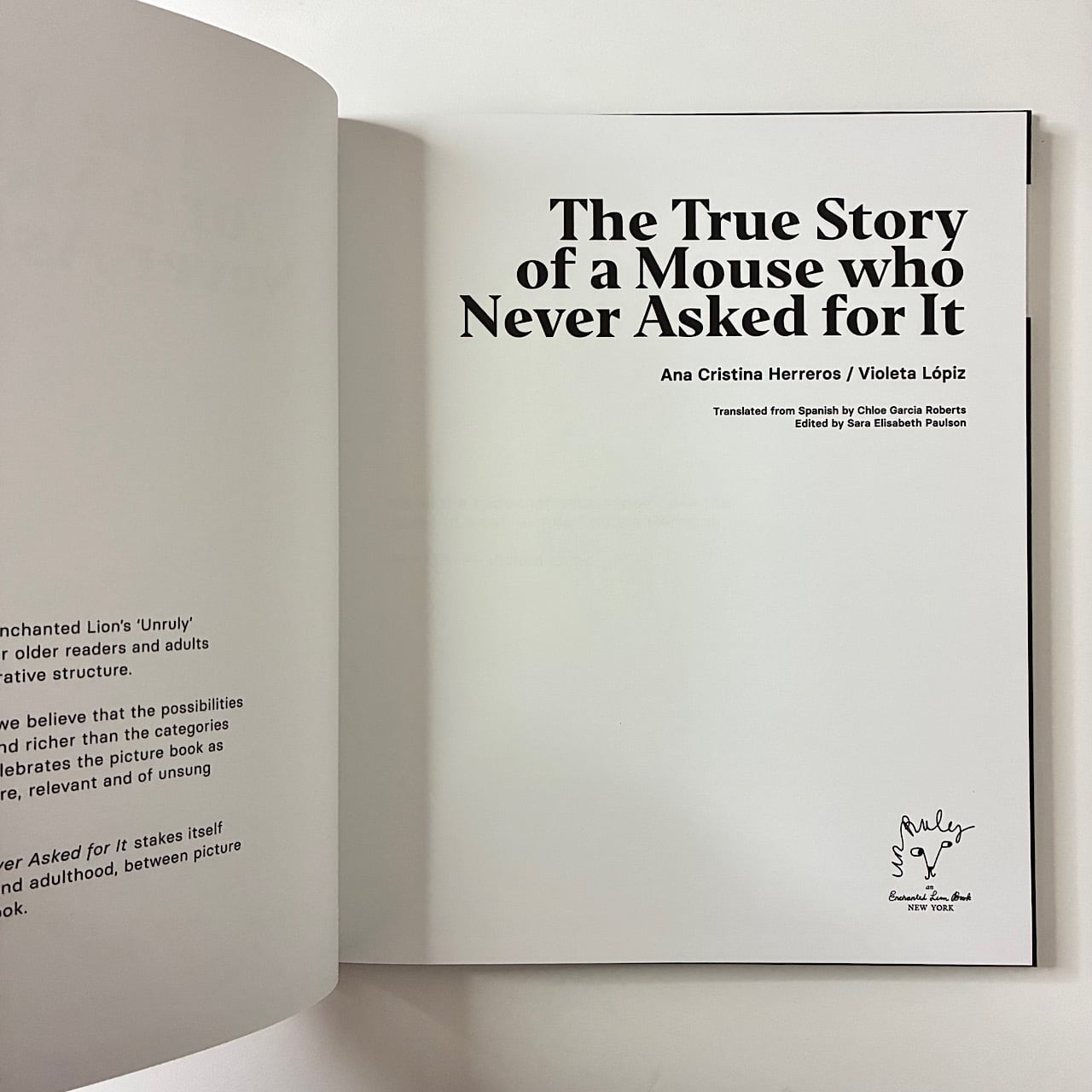
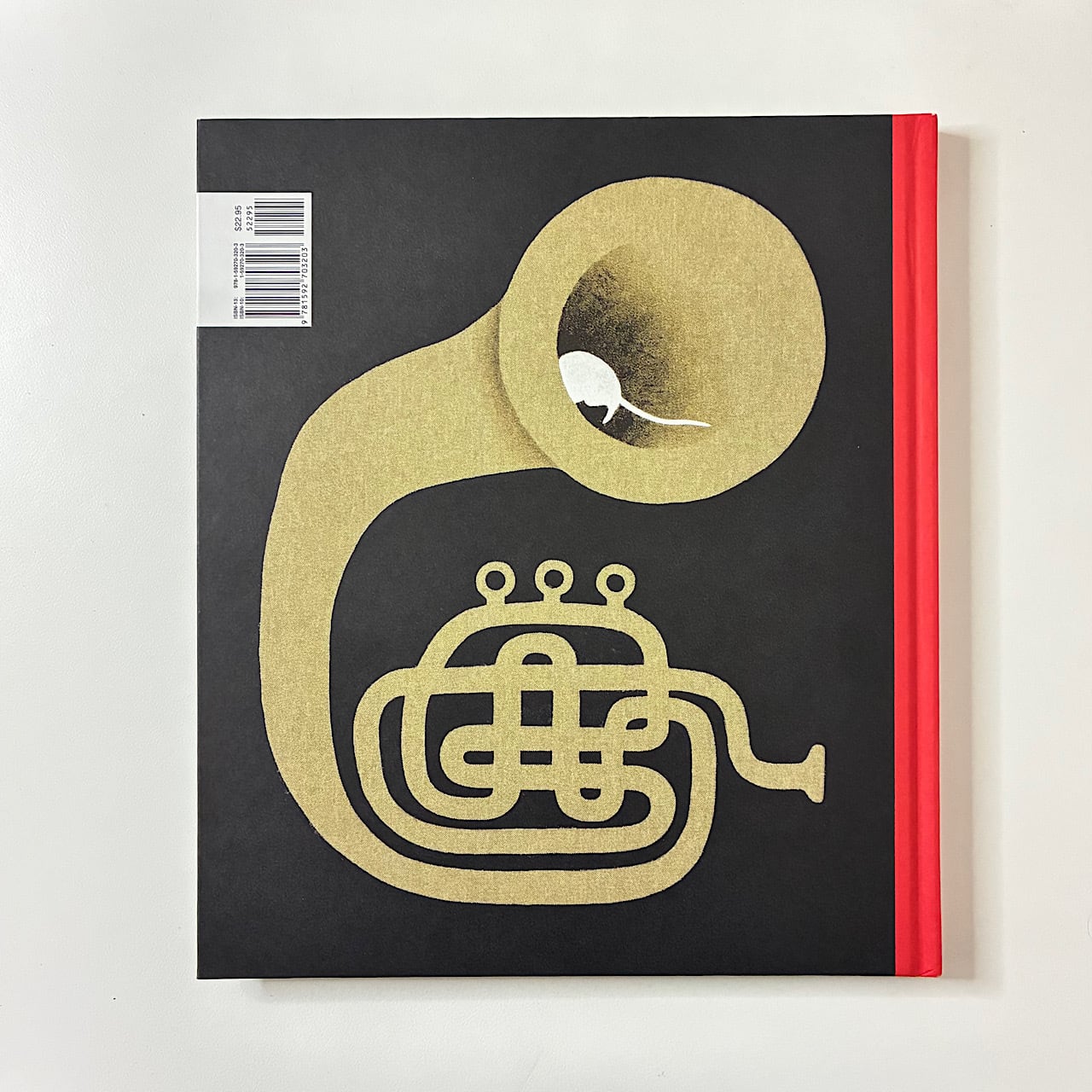
The True Story of a Mouse who Never Asked for It
by Ana Cristina Herreros (Author)
Illustrated by:Violeta Lopiz
Format:Hardback 108 pages, 60 color illustrations
Publisher:Enchanted Lion Books
Imprint:Enchanted Lion Books
ISBN:9781592703203
Published: 5 Aug 2021
Weight:742g
Dimensions:343 x 290 x 25 (mm)
Pub. Country:United States
Description
A New York Times Best Children’s Book of 2021 Selected for the Rise: A Feminist Book Project for Ages 0-18 Booklist ?“In this gloriously unruly feminist fable, The True Story of a Mouse Who Never Asked for It explores the power of art-making, the tedium of the domestic, and the dangers of heteronormativity, all within beautiful pictures and tender words. I was enchanted by the pairing of graphic illustration and tight prose on every page. It is luminous and evocative from start to finish.” —Alisson Woods, author of Being LolitaFolklorist Ana Cristina Herreros and visionary illustrator Violeta Lópiz spin a deeply feminist retelling of an old Spanish folktale in The True Story of a Mouse Who Never Asked for It.
Through rhythmic text, highly conceptual illustrations, and a final visual narrative that is silent but revelatory, this YA picture book builds from deceptive simplicity to an explosive end. The story begins with a mouse, very neat and hard-working, who makes herself a home. In disbelief that she has a house but isn’t a wife, suitors show up uninvited, each asking for her hand.
She turns everyone down… until a pack of tiny kittens arrive, and she agrees to marry the smallest and most defenseless of the bunch. But it does every mouse well to remember that a kitten always grows up to be a cat. Today, the most commonly told version of this popular folktale serves as a warning, scaring girls to choose good men to marry by reminding them that the cat will always devour the mouse.
But this story is rooted in the non-normative, non-performative original version, before it became a cautionary tale. Here, by contrast, the story tells of the pain and harm that come from falling prey to situations beyond one’s control. It is also a powerful story of reclaiming one’s selfhood.
-
レビュー
(488)
-
送料・配送方法について
-
お支払い方法について














¥4,270
SOLD OUT